Skip to content
SUBSCRIBE TO OUR NEWSLETTER Spedizione gratuita sopra 200€

British Heritage. Since 1851.

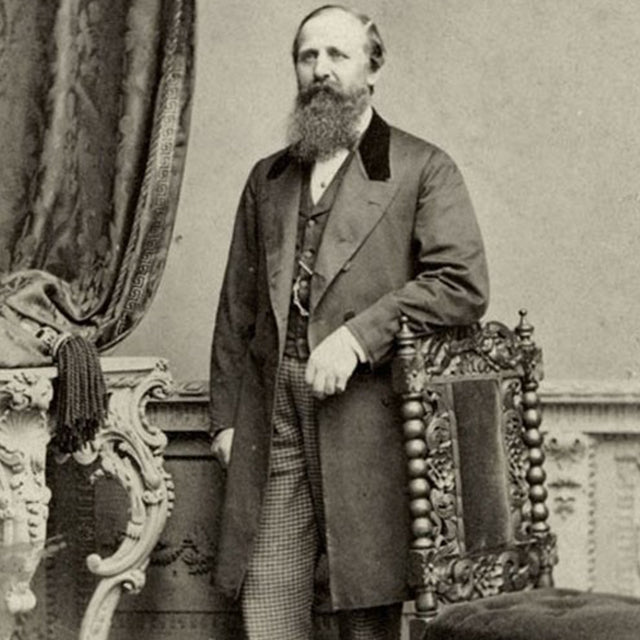
Aquascutum is an iconic brand founded in 1851 in London by master tailor John Emary. From its inception, the brand distinguished itself through innovation and sartorial excellence, merging style with functionality. Emary is renowned for patenting a waterproof fabric, an invention that revolutionised outerwear. This fabric not only provided protection against rain but also preserved the elegance of the garments.The name "Aquascutum," derived from Latin, means "water shield", highlighting the brand's mission to blend technicality with sophistication.Over the years, Aquascutum has become synonymous with quality and innovation, dressing notable figures, from the British Royal Family to military officers, with elegant yet functional trench coats. The Aquascutum Active project draws inspiration from this rich heritage, reimagining the brand's historical values for a modern and dynamic era.

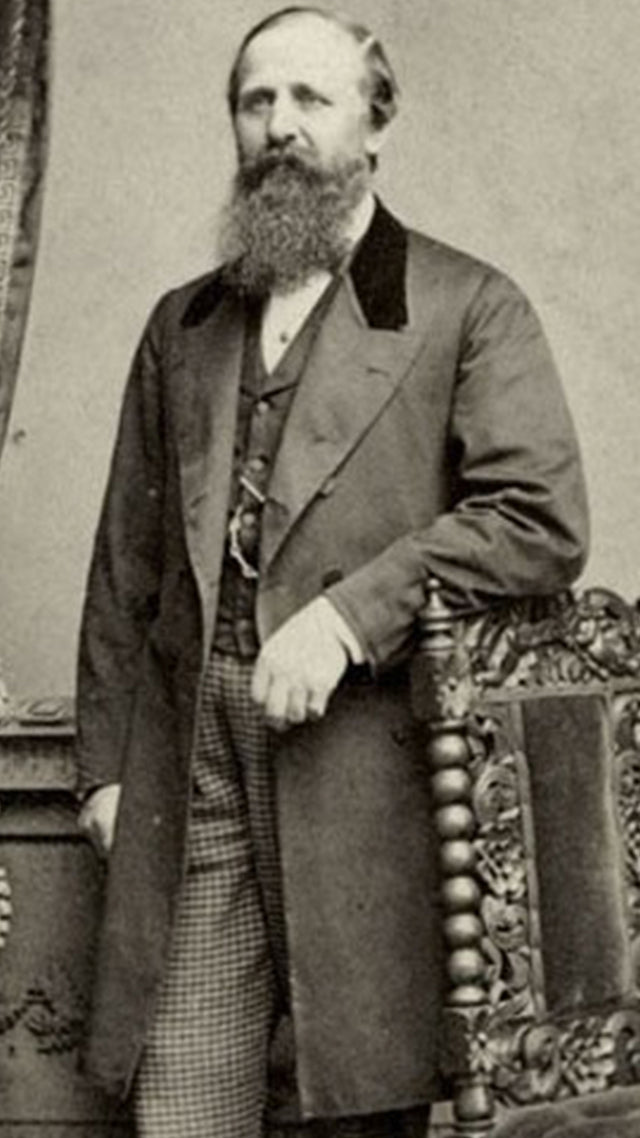
John Emary

The Founder of Aquascutum

The Beginning

The year was 1851. Queen Victoria was on the throne and Britain was thriving. On Regent Street, in the heart of Mayfair, gentlemen’s tailor John Emary was making his own mark on history. After years spent perfecting a technique to waterproof wool fabrics, Emary recognised the significance of his discovery and renamed his company “Aquascutum”, combining the Latin words for “water” and “shield”.


John Emary

The Founder of Aquascutum
1851

Regent Street

1851

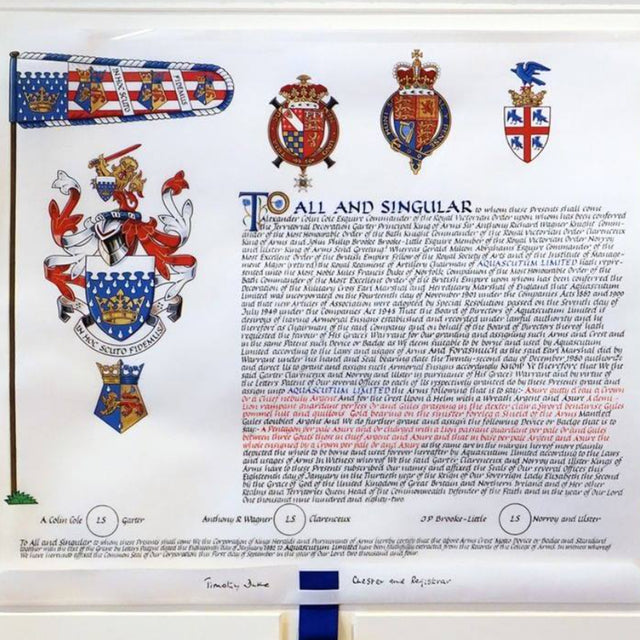
Queen Victoria was on the throne and Britain was on a high. In London's Hyde Park the Great Exhibition was created, showcasing the greatest display of material assets the world had ever witnessed. Meanwhile, on Regent Street in the heart of Mayfair, a gentlemen's tailor named John Emary was shaping his own contribution to history. Emary and his fellow tailors had spent many years attempting to perfect the technique of treating wool fabrics to make them waterproof.

"The British fashion brand's history stretches back to 1851 when Mayfair tailor John Emary opened a menswear shop in Regent Street. A couple of years later, he patented a method of producing a water-repellent textile. "

Read the original coverage on The Guardian.

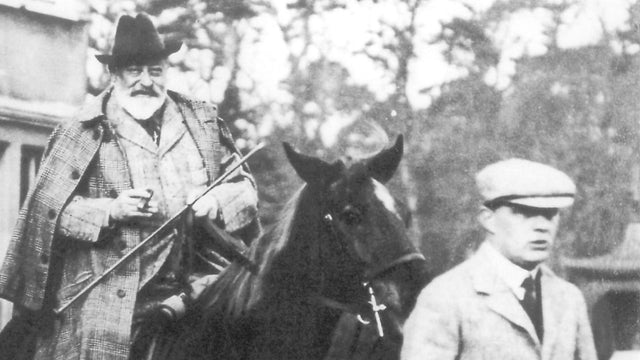
King Edward VII

wering an Aquascutum Cape Coat

1910 - 1919: Royal Approval

Among Aquascutum's earliest patrons was one of Britain's foremost fashion icons - the Prince of Wales, later to become King Edward VII. So impressed was he with what Aquascutum were able to create for him that in 1897 he granted them their first Royal Warrant: the first of many over the next hundred years. Soon, Aquascutum overcoats became the favoured choice of Victorian boulevardiers; not only for their propensity to repel rain, but also due to the fact that these garments had become the very height of fashion.
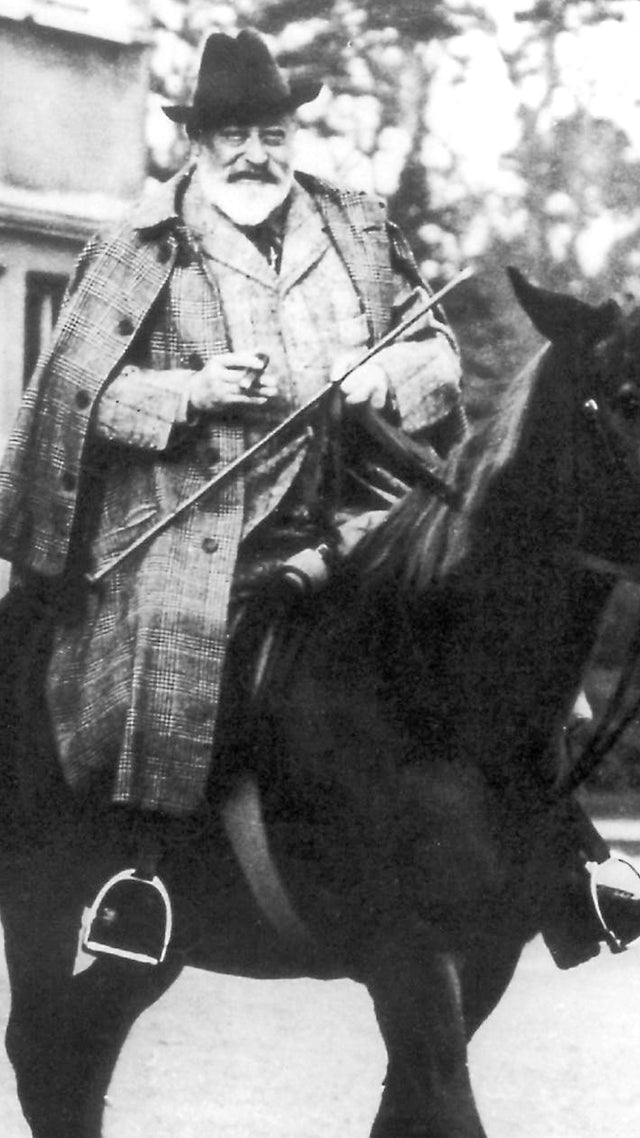

King Edward VII

wering an Aquascutum Cape Coat

Among Aquascutum's earliest patrons was one of Britain's foremost fashion icons - the Prince of Wales, later to become King Edward VII. So impressed was he with what Aquascutum were able to create for him that in 1897 he granted them their first Royal Warrant: the first of many over the next hundred years. Soon, Aquascutum overcoats became the favoured choice of Victorian boulevardiers; not only for their propensity to repel rain, but also due to the fact that these garments had become the very height of fashion.

For Active Service
Aquascutum goes to War

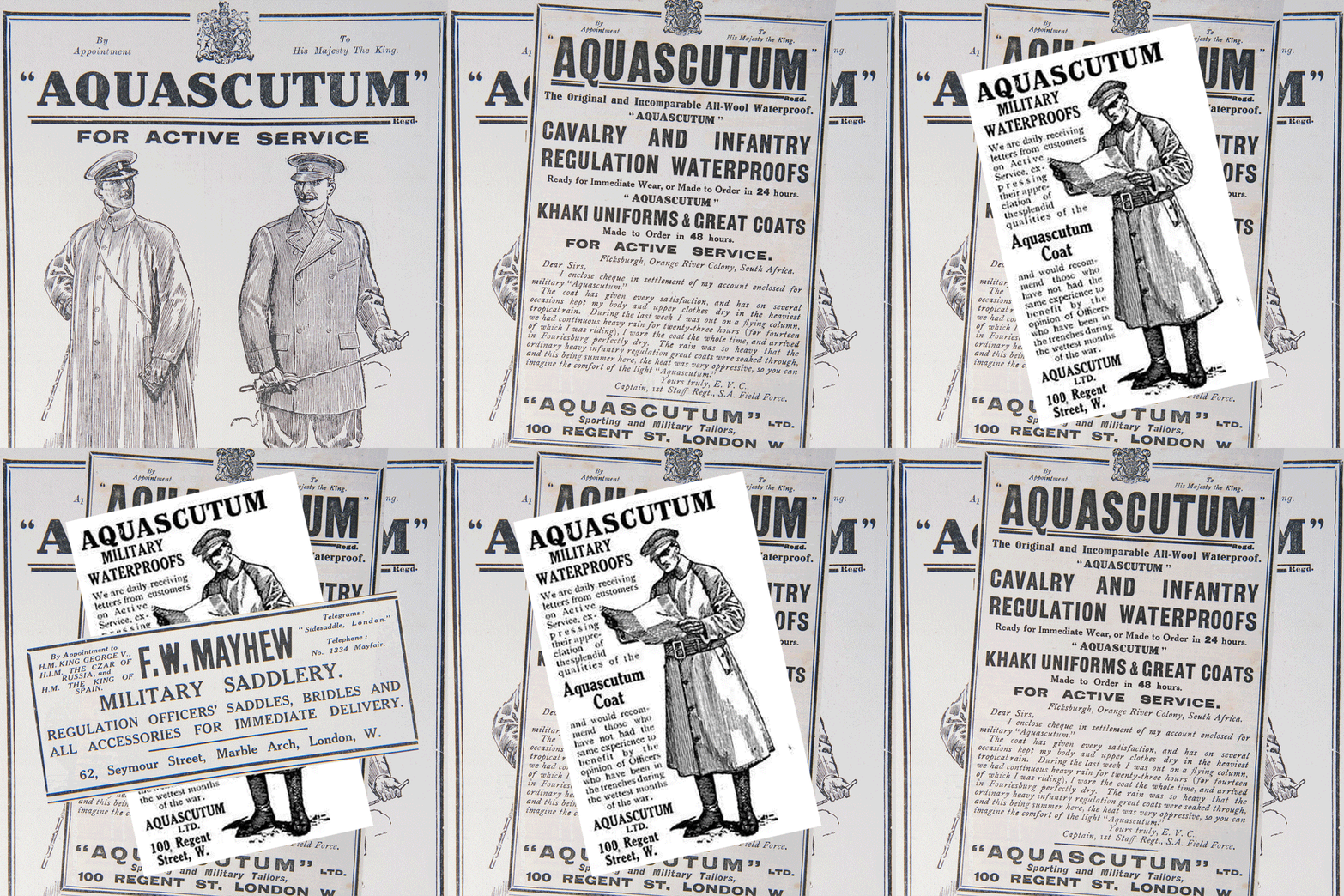
As Britain went to war, Aquascutum took on a vital role, combining quality and innovative fabrics to provide protection and endurance. During the Crimean War in 1853, the company supplied coats to protect soldiers from the harsh winter, including General Goodlake’s coat, now preserved at Newstead Abbey. At Lord Raglan’s request, Aquascutum also designed a coat allowing greater freedom for the sword arm, giving rise to the iconic Raglan shoulder still used today. A generation later, during the Great War, Aquascutum once again supported the troops with waterproof trench coats.


Throught The Decades

Aquascutum Active 1920-1930
1920 - 1930
The twenties brought a new mood of optimism and a flourishing of styles. Aquascutum adapted without losing its timeless quality, gaining the Royal Warrant from the Prince of Wales, later the Duke of Windsor. The thirties consolidated that reputation, until 1939, when Aquascutum joined the country at war.
Aquascutum Active 1940-1950
1940 - 1950
This decade saw Aquascutum equip soldiers, sailors and pilots with practical uniforms through the Second World War. Afterwards, it entered the international market with its first New York showroom, and Queen Elizabeth granted the Royal Warrant. By its centenary, D711 was protecting Edmund Hillary and Sherpa Tensing on Everest in 1953.
Aquascutum Active 1960-1970
1960 - 1970
Aquascutum continued its tradition of research, with D711 remaining the fabric of choice, trusted since Everest in 1953. The flagship store on Regent Street doubled in size for growing collections. The English look spread worldwide, including Japan, earning five Queen's Awards for Export Achievement from 1966.
Aquascutum Active 1980-1990
1980 - 1990
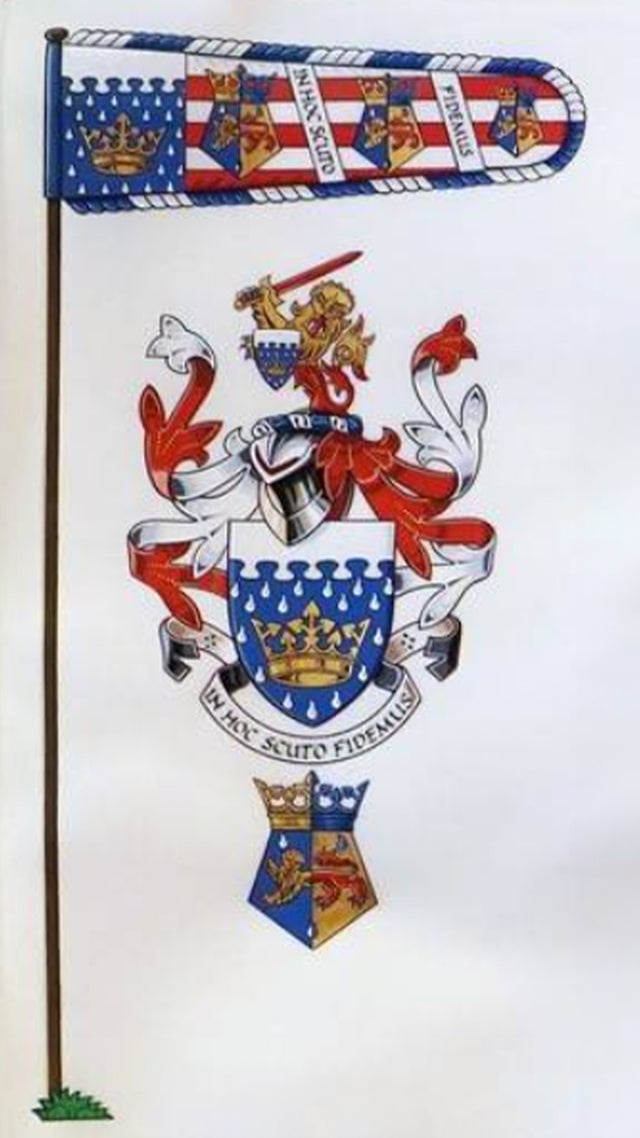
Another decade of international growth. The signature "housecheck," once a trenchcoat lining, became available across the Men's and Women's collections. Its success led Aquascutum into accessories: luggage, handbags and small leathers in luxury fabrics. The house was later presented its Grant of Arms by the Duke of Norfolk, Earl Marshal of England.

Subcultures: The Legacy of Casual Fashion

Mod culture, 1960s
1960s
Mod
In the early 1960s, Mods turned London into a stage for sharp tailoring. Clean lines, narrow lapels, an obsession with looking effortlessly put-together: Pete Meaden, one of the movement's key figures, called it "clean living under difficult circumstances." Aquascutum's precision tailoring spoke the same language, and its coats found their way into a subculture built on discipline disguised as style.
Punk culture, 1970s-1980s
1970s – 1980s
Punk
Punk's most theatrical Aquascutum moment came from its own high priestess. For a 1989 Tatler cover satirising Margaret Thatcher, Vivienne Westwood wore a suit Thatcher herself had ordered from Aquascutum, an order she later cancelled. The establishment's own coat, worn to mock the establishment: punk logic, executed to the letter, by the woman who invented the look.
Terrace and casual culture, 1980s
1980s
Terrace & Casual Culture
The terraces tell a different story. The most committed fans were easy to spot, until they realised that dressing in branded, sharp, unassuming clothes let them blend in with ordinary spectators. That's how a new, understated style was born in Liverpool: the "Casual," named by The Face in July 1983. Aquascutum's Club Check scarves and jackets became part of that language: pubs before kick-off, the same streets every Saturday.
Britpop, 1990s
1990s
Britpop
By the 1990s, that same terrace language walked off the stands and onto the stage. Oasis and Blur carried the casual aesthetic (checks, track jackets, understated luxury) into Britpop, turning terrace style into a national soundtrack heard well beyond the stadiums. What had once marked out a small, coded community became, for a moment and for a whole generation, simply the way Britain got dressed.
UK Garage and The Streets, 2000s
2000s
UK Garage & The Streets
As Britpop faded, a new British voice emerged from the garage scene: sharper, more conversational, unmistakably working-class. Mike Skinner's The Streets turned everyday London life into a genre of its own, and Aquascutum's own channels later celebrated the connection directly, tying the brand to Skinner's world with a nod to "Geezers Need Excitement." The check had found its way into yet another decade's soundtrack.

Identity Timeline

1851 – 1920
1920 – 1940
1940 – 1950
1950 – 1960
1960 – 1970
1970 – 1990
1990 – 2010
Aquascutum Active

Functionality is Key. Since 1851.

Aquascutum Active 2000
2000
Since John Emary opened his Mayfair shop a century and a half ago, Aquascutum has always moved with the times, and so have its customers: fashion-aware, but never dictated to. Its treasurable archive, Royal patronage and famous following mark it as genuine luxury that has stood the test of time.
Aquascutum Active today
Today
Our vision for Aquascutum Active extends the brand's lifestyle through a contemporary sportswear lens, at the intersection of urban, outdoor and modern sportswear culture. Rather than revisiting the archive, we reinterpret its legacy, creating a dialogue between heritage, functionality and modern living, so the brand evolves while staying rooted in authenticity.

Discover The Original Club Check

read more

About

Our Vision

READ MORE

Evolution

Fabrics & Technologies

READ MORE

Our Commitment

Sustainability

reda more

Products Authenticity: Certilogo

read more
Go to top